Chapter III
Moon Phases
The moon has been humanity's oldest timekeeper and most intimate celestial companion. In pagan traditions, the lunar cycle is a living guide, with each phase carrying its own energy, wisdom, and invitation for ritual, reflection, and transformation.
Loading...
New Moon
The new moon marks the beginning of the lunar cycle, a time of darkness and quiet potential. The sky is black, the moon invisible, and the world seems to pause and draw inward. In pagan practice, this is the most sacred moment for planting seeds, not in soil, but in the soul. It is the blank page, the first breath, the threshold between what has ended and what is about to begin.
This is a time for deep introspection and honest self-inquiry. What do you truly desire? What intentions are stirring beneath the surface? The new moon does not ask for action; it asks for stillness. Sit quietly, light a candle in the darkness, and listen to the whispers of your own heart. Write your intentions down, speak them aloud, or simply hold them in your awareness.
Many practitioners use this phase for divination work, drawing tarot or oracle cards to illuminate the path ahead. The darkness of the new moon is not empty. It is full of possibility. Trust the void. Trust the not-yet-knowing. From this silence, everything grows.
Waxing Crescent
As the first sliver of light returns to the night sky, the waxing crescent carries the energy of emergence and tender hope. The intentions planted during the new moon are just beginning to stir, like the first green shoot pressing upward through dark soil. This phase asks you to nurture those fragile beginnings with faith, even when you cannot yet see results.
The waxing crescent is sometimes called the "courage moon" because it takes bravery to begin. Doubt may arise. The voice of fear may whisper that your dreams are too large, too strange, too bold. This is the phase where you choose to believe anyway. Light a candle and whisper your intentions again. Affirm your right to desire, to hope, to become.
In many traditions, this is also a time for gathering resources, both material and spiritual. Research your goals, seek out allies, and begin taking the smallest first steps. The crescent moon is a thin, bright blade of light cutting through the dark. Let it remind you that even the faintest glow is enough to see by.
First Quarter
The first quarter moon rises half-illuminated, a perfect balance of light and shadow, and it brings with it the energy of action, decision, and sometimes struggle. This is the phase of doing. The quiet contemplation of the new moon is past; the gentle hope of the crescent has matured into resolve. Now is the time to commit fully, to push forward, and to face whatever obstacles stand in the way.
Challenges are not just likely during the first quarter but deeply meaningful. In pagan philosophy, resistance is understood as a form of teaching. The obstacles you encounter now are showing you where your commitment is tested, where your path needs strengthening, and where you might need to adjust your approach without abandoning your goal.
This is a powerful time for decision-making rituals. If you have been wavering between choices, the first quarter moon lends clarity and courage. Cast a circle, lay out your options, and ask for guidance. The half-moon reminds us that we cannot see the full picture yet, but we have enough light to take the next step. Take it boldly.
Waxing Gibbous
The waxing gibbous moon swells with light, nearly full but not quite there. This is the phase of refinement, patience, and trust. The work has been done, the commitments made, and now you are asked to fine-tune rather than forge ahead. It is a time of subtle adjustment, like the sculptor smoothing the clay or the gardener pruning rather than planting.
Impatience often arises during the gibbous phase. You can see your goal so clearly, the full moon so close, and yet it has not arrived. This is the moon's lesson in trust. Not everything can be rushed. Some things need these final quiet days to ripen, to settle, to deepen. The energy you pour into forcing outcomes now is better spent in reflection, gratitude for how far you have come, and gentle course corrections.
This phase is especially powerful for analytical magic: reviewing your plans, consulting divination tools for fine adjustments, and paying attention to dreams and synchronicities. The universe is sending signals. The waxing gibbous moon asks you to be still enough to receive them. Trust the process. What is meant for you is on its way.
Full Moon
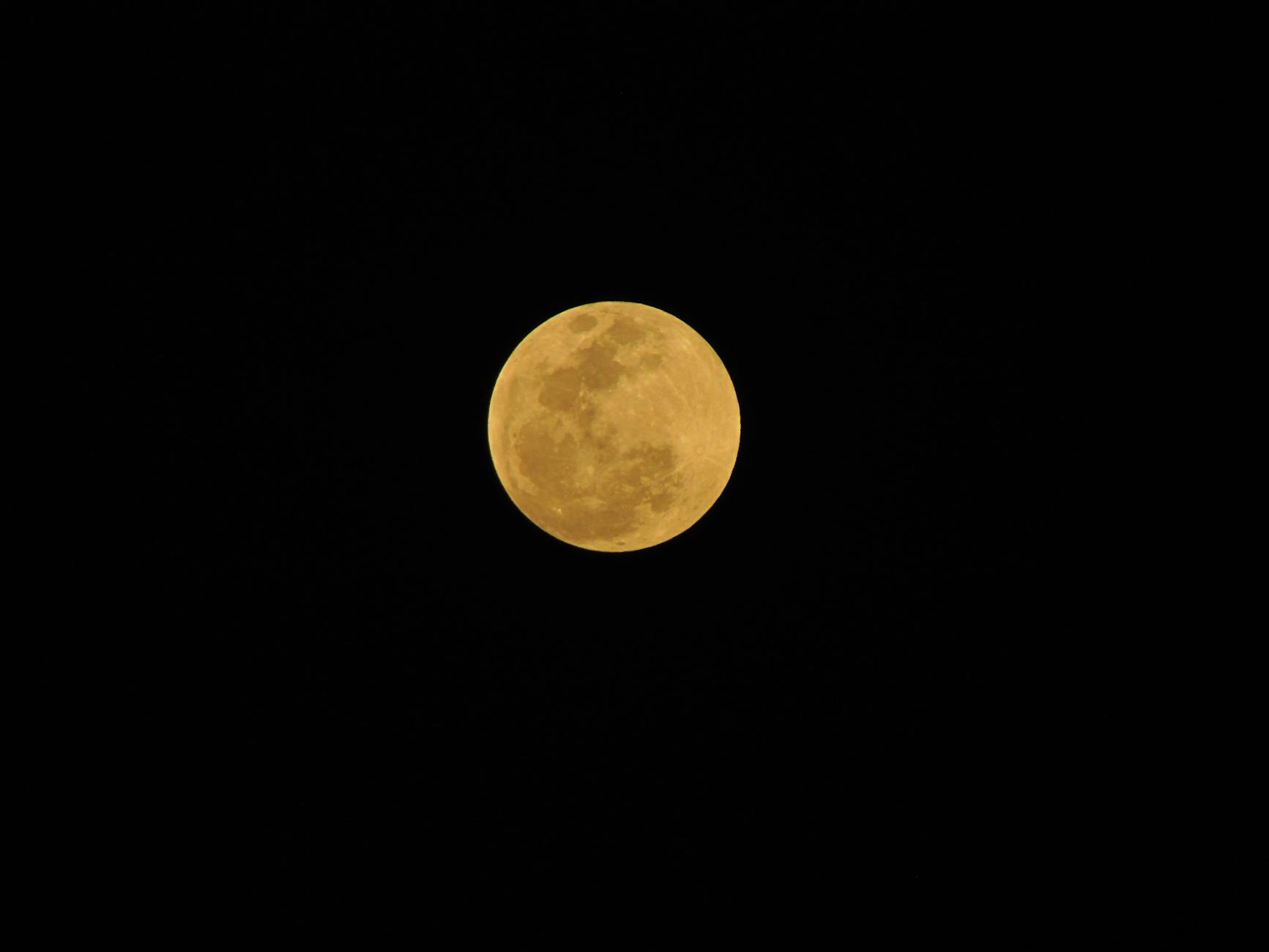
The full moon is the crown of the lunar cycle, a blaze of silver fire in the night sky. It is the moment of culmination, power, and revelation. Whatever you planted at the new moon now comes to its fullest expression. Emotions run high, intuition sharpens, and the veil between the seen and unseen worlds grows thin. In nearly every pagan tradition, the full moon is the most potent time for magic.
This is the phase for celebration and gratitude. Step outside and bathe in the moonlight. Feel the pull of the tides in your blood. The full moon illuminates everything, not just what you hoped to see, but truths you may have been avoiding. Welcome these revelations. They are gifts, even when they are uncomfortable. The full moon's light is honest, and honesty is the foundation of all real power.
Full moon rituals are as varied as the practitioners who perform them. Some gather in circles to chant and dance. Others work solitary magic, charging crystals and tools in the moonlight, performing divination, or casting spells of manifestation and abundance. Many traditions hold that the full moon is sacred to the Goddess in her Mother aspect, who is fertile, generous, and luminous. Honor her however your heart leads you.
Waning Gibbous
After the full moon's blaze of power, the waning gibbous begins the journey inward once more. This phase is also called the "disseminating moon" because its energy is about sharing what you have received. The full moon brought revelation and abundance; now it is time to give back, to teach, to express gratitude, and to begin the gentle process of introspection.
The waning gibbous carries a warm, generous energy. Think of it as the harvest feast after the crop has come in, a time for sharing the bounty with your community, mentoring those who walk behind you on the path, and reflecting on the lessons of this cycle. What did the full moon show you? What wisdom did it illuminate? This is the phase where you begin to integrate those insights into your daily life.
Gratitude is the key practice of the waning gibbous. Before you begin to release and let go (as the later waning phases will ask), take time to truly appreciate what has been. Light incense, offer a prayer of thanks, or write a gratitude list under the still-generous light of the diminishing moon. What you appreciate, appreciates. What you honor, grows roots.
Last Quarter
The last quarter moon hangs half-lit in the sky, a mirror image of the first quarter, and carries the powerful energy of release, forgiveness, and letting go. Where the first quarter was about building and committing, the last quarter is about dismantling what no longer serves you. This is not destruction but liberation. You are clearing space for the new cycle that will soon begin.
Letting go is one of the most challenging spiritual practices, and the last quarter moon supports you in this courageous work. What habits have become chains? What resentments are you carrying that weigh you down? What beliefs about yourself are no longer true? This is the time to name them, honor the role they once played, and then consciously release them. Write them on paper and burn them. Speak them into running water and let the current carry them away.
Forgiveness, of others and of yourself, is the most powerful magic of the last quarter. This does not mean condoning harm or pretending pain did not happen. It means choosing to set down the burden so that your hands are free for what comes next. The waning moon is shedding its light willingly. Let it teach you the grace of release.
Waning Crescent
The waning crescent, sometimes called the "balsamic moon," is the final whisper of light before the cycle returns to darkness. This is the most restful, introspective, and deeply healing phase of the entire lunar cycle. The work is done. The releasing is complete. Now the moon, and you along with it, are asked simply to rest, to surrender, and to trust in the renewal that darkness brings.
In our culture of constant productivity, the waning crescent is a radical act of resistance. It says: you do not need to do anything right now. You are allowed to be still. You are allowed to sleep deeply, dream vividly, and let your soul wander where it will. This is the phase for long baths, quiet walks in the predawn hours, and the kind of deep soul-care that cannot be rushed or scheduled.
The waning crescent is sacred to the Crone aspect of the Goddess, the wise elder who has seen all phases and knows the profound truth that endings are beginnings in disguise. Honor the Crone by resting without guilt, by sitting with the unknown, and by trusting that the darkness is not emptiness but a womb. Soon the new moon will arrive, and with it, a fresh cycle of possibility. But for now, be still. Be gentle. Be held by the dark.